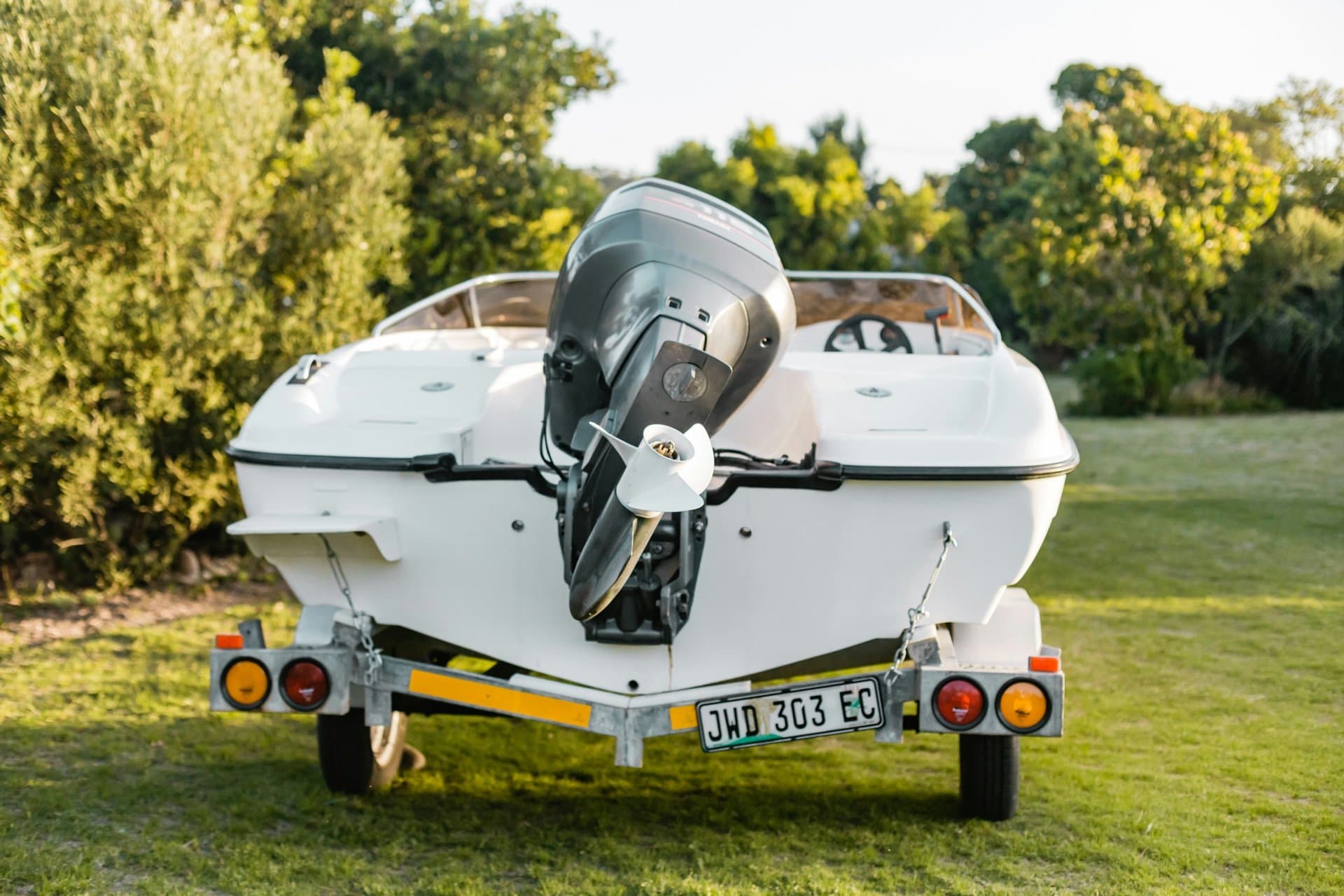
The boat has been sitting since fall. Before you back it down the ramp, there's a checklist to work through — not because something is probably wrong, but because spring is exactly when you find out.
Spring commissioning — also called de-winterization — is the process of reversing storage. Engines were fogged, batteries were disconnected, fuel was stabilized. Undoing all of that properly means checking each system before you need it, not after.
This checklist covers the main mechanical systems, your safety equipment, and — if you're trailering — the trailer. Most of it you can handle yourself in a few hours. A few items are worth handing to a marina. Either way, the goal is no surprises when you get to the water.
Engine maintenance intervals reflect recommendations from Yamaha and Mercury Marine. Safety equipment requirements are per U.S. Coast Guard federal regulations.
Spring Boat Commissioning Checklist: Start Before You Start the Engine
Work through the static checks first — oil, gear lube, fuel lines — before the engine ever runs. Starting the engine and then discovering a problem is more stressful than finding it in the driveway.
Engine Oil and Filter
If you changed the oil during fall winterization, you're ahead. If not, do it now.
When to change: Yamaha and Mercury both recommend engine oil changes at least once a year or every 100 hours — whichever comes first. If the boat sat all winter without a change, spring is the time.
Pull the dipstick and look at the oil. Dark but consistent in color is normal age. Grayish or milky means water has gotten into the oil — a sign of a head gasket or seal issue. If the oil looks milky, don't start the engine until a technician has looked at it.
Most four-stroke outboards take 10W-30 marine-rated oil, but check your owner's manual for the exact spec. Change the filter at the same time.
Lower Unit Gear Oil
The lower unit is the gearcase below the waterline that transfers power to the propeller. It runs in gear lube that needs changing annually or every 100 hours — same interval as engine oil.
When you drain the gear lube into a container, look at the color. Fresh lube is honey-colored. Old but serviceable lube is dark amber to black. Milky or gray gear lube means water has entered through a failed propeller shaft seal. Don't launch until a marina can inspect that seal — running with water in the gearcase will damage gears and bearings quickly.
If the oil looks normal, draining and refilling is a manageable DIY task. The process is similar across most outboards and involves two plugs on the lower unit housing. Your owner's manual walks through it step by step.
Water Pump Impeller
The water pump impeller is a rubber-finned disc that draws cooling water into the engine. After months in storage, it can dry out, crack, or take a permanent set. A failed impeller means the engine overheats — fast.
Replacement interval: Most manufacturers recommend replacement every two to three years or 300 hours. Many experienced boaters replace it every spring because the cost of a new impeller ($20–$60 for parts) is far less than the cost of an overheated engine.
If you can't remember the last time it was changed, change it now.
On an outboard, impeller replacement is accessible with basic tools. On a stern drive (MerCruiser, Volvo Penta), the water pump is harder to reach — most owners have a marina handle it. Having a shop replace the impeller runs $100–$200 in labor plus parts, and most marinas include it in a full commissioning package.
Fuel System
Ethanol-blended fuel (the E10 found at most pumps) absorbs water over time and can phase-separate in the tank, leaving a layer of water-contaminated fuel at the bottom.
- If you added fuel stabilizer last fall and treated the system properly, the existing fuel should be fine. Top off with fresh fuel.
- If you didn't stabilize, or if the fuel is more than six months old without treatment, drain and replace it.
- Inspect all visible fuel lines for cracks, stiffness, or bulging. Replace any that look questionable — marine-grade fuel line isn't expensive.
- Replace the fuel/water separator filter annually. It's usually a spin-on canister like an oil filter.
When to call a pro: If the engine ran rough last season, had trouble starting, or the carburetor on an older engine hasn't been serviced in years, a marina tune-up is worth scheduling before launch. Carburetor issues don't improve over winter.
Battery Service
Batteries that sat all winter without a trickle charger may hold a surface charge but have lost real capacity.
Put a meter on each battery. A fully charged 12V battery reads 12.6–12.8V. If a battery reads below 12.4V after a full charge cycle, it has weakened. Load test if possible — many auto parts stores will test marine batteries for free.
Clean the terminals: white or blue-green corrosion increases resistance and causes unreliable starts. A wire brush and a baking soda and water solution handles it. Check battery cables for fraying or cracked insulation.
Marine batteries typically last 3–5 years. If yours is in that range and struggling to hold a charge, spring is the right time to replace before it leaves you stranded.
Bilge Pump
Bilge pump failure is one of the more common reasons boats sink at the dock — and a completely preventable one.
How to test:
- Pour several gallons of water into the bilge.
- Wait for the automatic float switch to trigger. The pump should activate on its own.
- Test the manual override at the helm.
- Verify that water is actually being discharged through the fitting outside the hull.
Also inspect the bilge itself for standing water, oil, or debris left from storage. Clean it out before launch.
If the pump doesn't respond to the float switch, check the fuse. If the fuse is fine and the pump still won't run, the wiring or float switch likely needs service.
Safety Equipment: What the Coast Guard Requires
This check often gets rushed at the ramp. Do it now, when you have time to replace anything expired or missing.
Life jackets (PFDs): One wearable Type I, II, III, or V PFD for every person on board, plus one Type IV throwable device. PFDs must be accessible — not buried under gear or stowed in a locked compartment. Check for tears, missing buckles, and faded inflation indicators on inflatable models.
Fire extinguisher: At minimum one Coast Guard-approved B-1 type for most boats under 26 feet. Check the pressure gauge needle — if it's in the red, replace it. Non-rechargeable extinguishers expire 12 years after manufacture (the date is printed on the label).
Visual distress signals (flares): A minimum of three pyrotechnic devices approved for both day and night use. Flares expire 42 months after manufacture — that date is printed on the casing. Expired flares are not legal and may not function. Replace them now, not at the ramp.
Requirements vary by state and vessel size. The BoatUS Foundation equipment requirements page covers specifics by vessel class.
Propeller and Zinc Anodes
Propeller: Pull it off and check for dings, bent blades, and fishing line wrapped around the shaft. Line that works past the prop seal can damage the lower unit seal — the same seal failure that causes milky gear lube. A visibly bent or chipped prop is worth replacing rather than running; an unbalanced propeller creates vibration and added wear on the lower unit.
Zinc anodes: Zincs are the sacrificial metal pieces attached to the lower unit, transom, and trim tabs. They corrode so the aluminum and steel of your engine don't. If a zinc is more than halfway consumed, replace it before launch. A depleted zinc isn't protecting anything.
Replacement zincs run $5–$30 depending on size. Install with clean, bare metal contact — no paint or sealant.
Trailer (If Trailered)
Wheel bearings: Trailer wheel bearings should be inspected and repacked at least annually. Failed bearings cause wheel seizure at highway speeds and are a leading cause of trailer accidents. If yours haven't been repacked in over a year, address this before Memorial Day weekend.
Lights: Plug in the trailer and verify running lights, brake lights, and turn signals all work. Wiring corrodes over winter and connections fail. A quick test with a helper takes five minutes.
Tires: Check pressure and look for sidewall cracking. Trailer tires degrade from UV exposure and age, not just mileage. Sidewall checking on a tire older than five years is a replacement signal, not a pass.
When a Marina Makes More Sense
Most of the tasks above are manageable with basic tools, a service manual, and a few hours. These warrant professional attention:
- Milky oil — engine or lower unit. Don't run until a technician diagnoses the source.
- Stern drive impeller replacement. Water pump access requires more disassembly than most owners want to tackle.
- Carburetor rebuild or fuel system cleaning after an unstabilized winter or persistent running issues.
- Electrical diagnosis when a fuse check doesn't solve a non-functioning bilge pump, trim system, or gauges.
Marina labor rates run $100–$175/hr. A full spring commissioning package — oil changes, lower unit, fuel filter, impeller, safety check — typically runs $400–$800 for a single outboard, depending on engine size. Book in April; most marinas are backed up well before Memorial Day.
Track It in Mintain
Add the Spring De-Winterization / Commissioning template to your boat in Mintain, along with Engine Oil & Filter Change, Lower Unit / Gear Oil Change, and Safety Equipment Inspection. Each reminder tells you what was done and when — so next spring you know if the impeller was changed last year or three years ago, without having to guess.
Start tracking your boat maintenance for free at mintain.app →
If you're working through spring maintenance across the whole property this season, Spring Home Maintenance: 10 Tasks You Shouldn't Skip This Year covers the house side in one place.
What if my boat wasn't winterized — do I still need to commission it? If you're in a warm climate where the boat stayed in the water or in a garage without any winterization, the same checklist applies. Oil, gear lube, impeller, safety gear, and battery condition don't depend on formal winterization — they run on annual intervals regardless.
What if the boat has been sitting for multiple seasons, not just one winter? A multi-year layup warrants a professional assessment before launch. Fuel systems, cooling systems, and seals all deteriorate over extended storage. Have a marine technician do a full inspection rather than working through the checklist yourself.
This is part of Mintain's weekly maintenance blog. Every Monday, we publish a new guide to help you stay ahead of home, auto, yard, and equipment maintenance — so nothing catches you off guard.