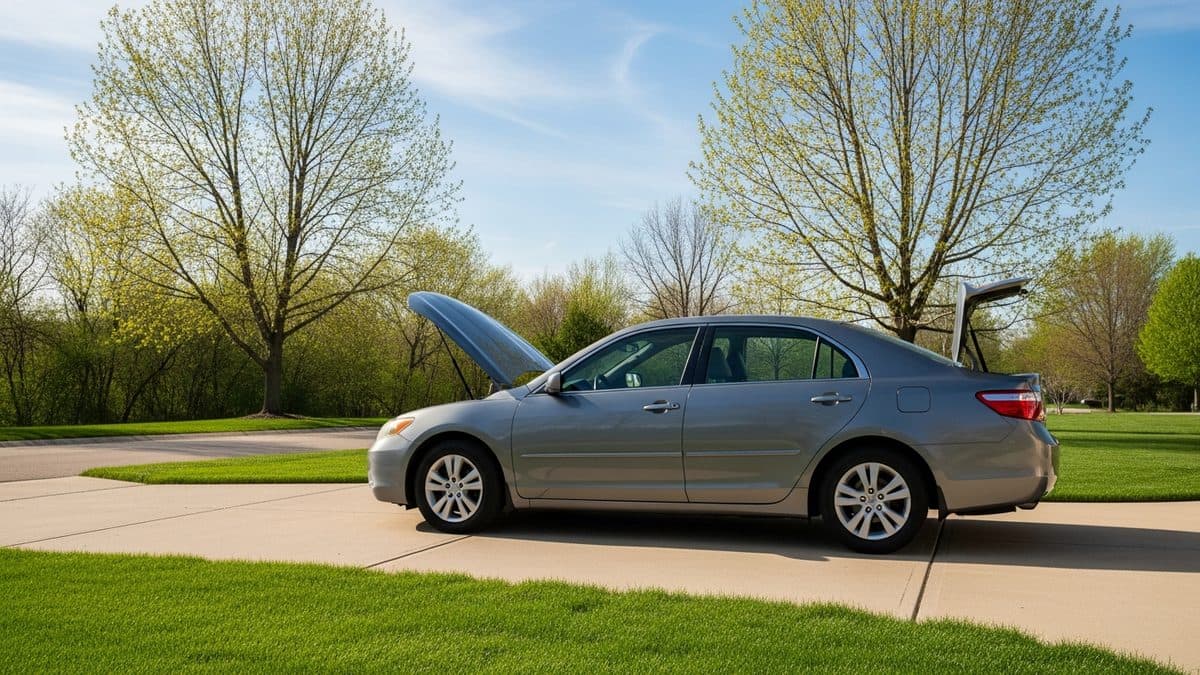
Winter is hard on a car. Before you put the months of cold weather behind you, your car deserves a few minutes of attention.
In short: Wiper blades, tire pressure, battery, coolant level, and cabin air filter. Five checks, most under 10 minutes, most requiring no tools. Total cost if you hire out everything: roughly $100–$250. Most of it you can handle yourself — or confirm yourself before deciding to call a shop.
Cost estimates reflect national averages as of early 2026 and vary by region and vehicle.
Why Spring Is the Right Time to Check These Things
Winter does a specific kind of damage to cars that isn't always obvious. Batteries work harder in cold temperatures and may have been borderline for months without you knowing it. Wiper blades take a beating from ice scrapers, freezing temperatures, and prolonged use in wet weather. Tires lose PSI as temperatures drop — and then pick it up again in spring, sometimes unevenly. Cabin air filters quietly accumulate road salt dust and debris.
None of these are emergency fixes. But all of them can quietly degrade your car's reliability and your driving safety without announcing themselves. Spring is the natural moment to reset.
1. Check Your Wiper Blades
Winter is the number one killer of wiper blades. Ice scraping, freezing and thawing, and hours of continuous use in wet weather wear down the rubber faster than any other season.
What to look for: Run your wipers on a wet windshield. If you see streaking, smearing, skipping, or hear a chattering noise, the blades need replacing. AAA recommends replacing wiper blades every 6–12 months — most people go years without touching them.
When to call a pro: You don't need to. Wiper blades are designed to be replaced by anyone. New blades run $15–$50 for a pair at any auto parts store and snap into place without tools and stores like Autozone or Advanced Auto will install them for free.
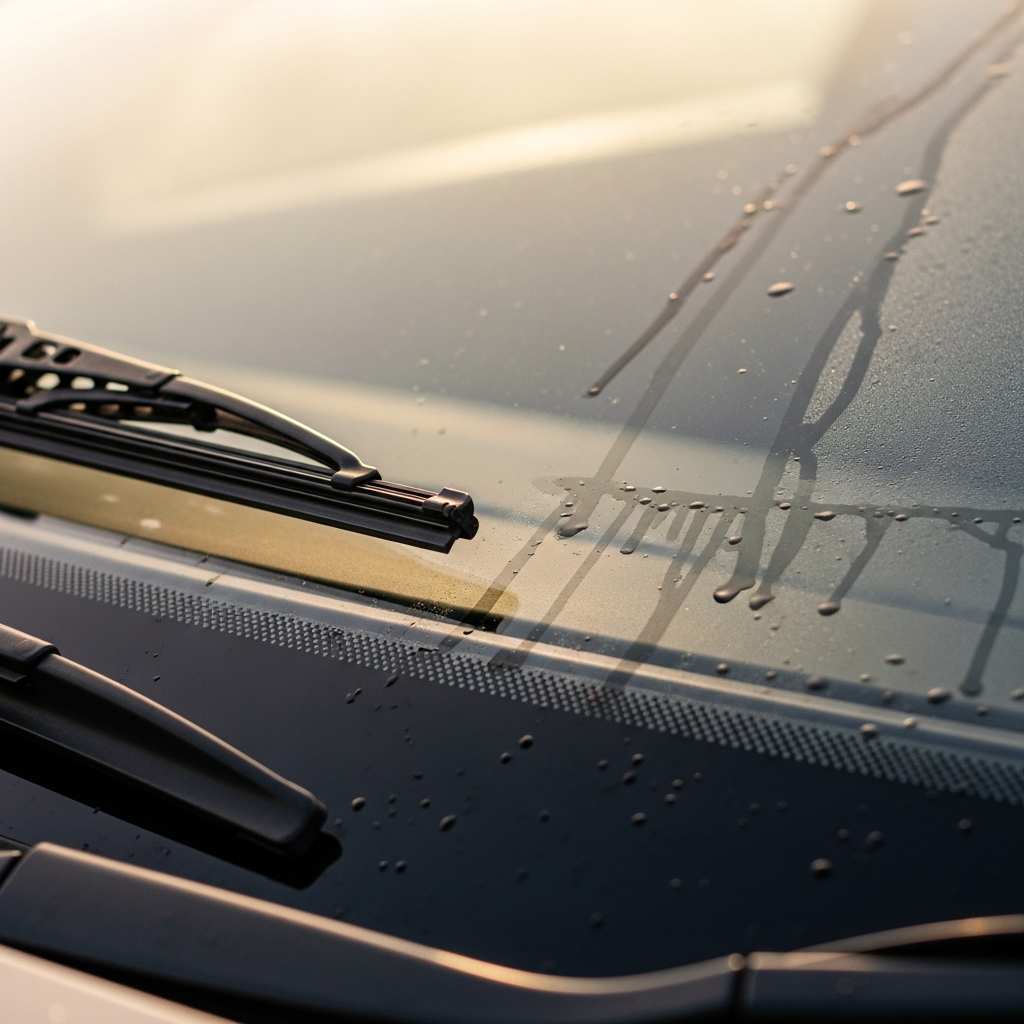
When to call a pro instead: If you're also noticing the wiper arms are bent or don't sit flush on the windshield, that's a shop job ($50–$100).
2. Check Your Tire Pressure
Here's something most people don't know: tires lose approximately 1 PSI for every 10°F drop in temperature — and gain it back as temperatures rise. If you checked your tires in October, they've been through a full winter of pressure swings, and your current readings may be off in either direction.
What to do: Check the sticker inside your driver-side door jamb for your vehicle's recommended PSI. Ignore the number on the tire sidewall — that's the maximum, not your target. Check the pressure when tires are "cold," meaning the car has been parked for at least three hours. Most gas stations have air pumps; many auto parts stores have free loaner tire gauges.
While you're there: Check tread depth. Stick a quarter into the tread groove with Washington's head pointing down. If you can see the top of his head, your tires are below 4/32" — borderline territory. For the legal minimum, use a penny: if you can see the top of Lincoln's head, you're at or below 2/32" and need new tires.
When to call a pro: If a tire is losing pressure faster than normal — say, 3–5 PSI over a week — you likely have a slow leak. Plug or patch runs $20–$40. If the sidewall has bulges, cracks, or impact damage, that's a replacement.
3. Test Your Battery
A car battery typically lasts 3–5 years. Cold weather doesn't kill batteries — it reveals the ones that were already weak. A battery that barely got you through winter might not make it through summer heat, which is equally hard on battery chemistry.
What to do: The best test is a free load test at an auto parts store. AutoZone, O'Reilly, NAPA, and most regional chains will test your battery at no charge while you wait. They'll tell you whether it's healthy, borderline, or needs replacement. Takes about 10 minutes.
You can also check visually: look for white or blue corrosion buildup on the terminals. Corrosion creates resistance and can cause a good battery to behave like a bad one.
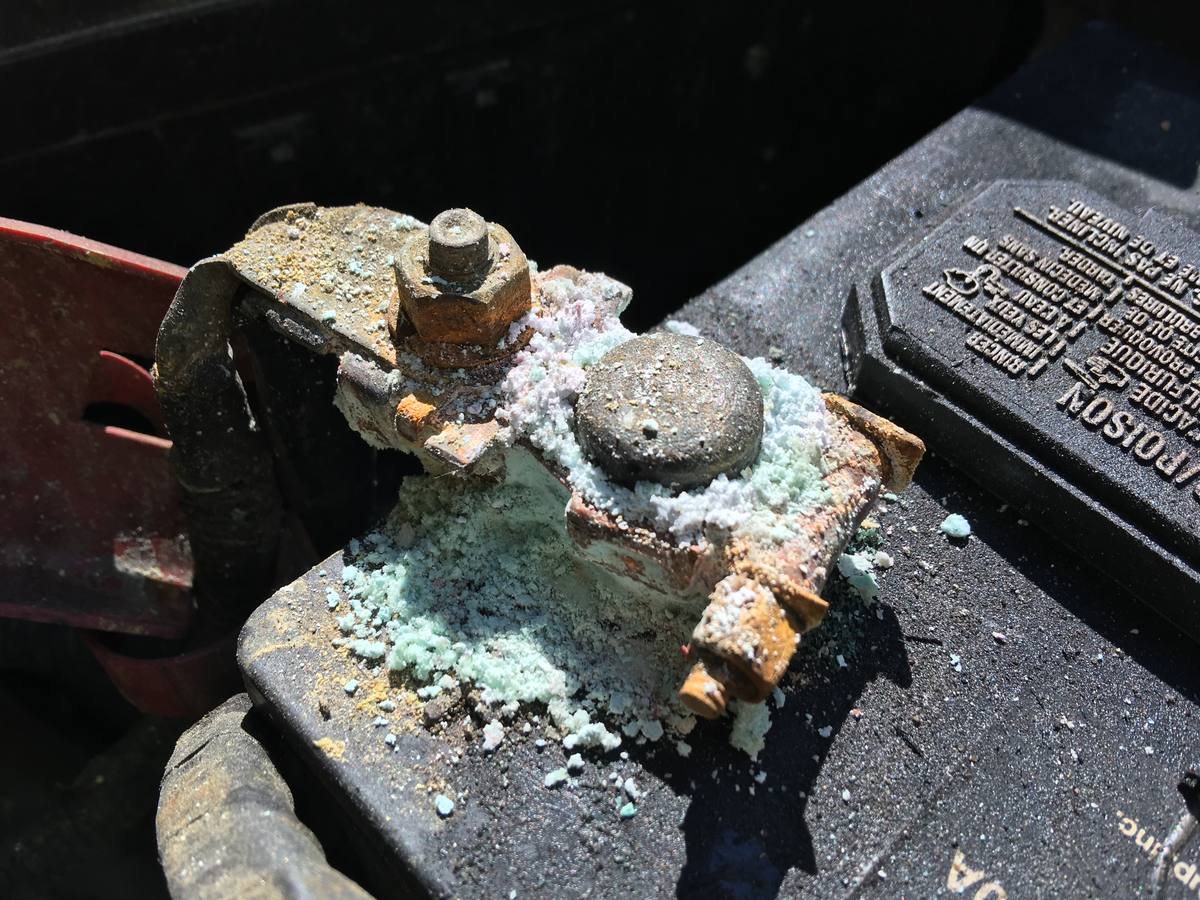
Signs you shouldn't wait: Slow, labored engine cranking on startup. Dashboard lights that dim when you start the car. If the car needed a jump this winter, get it tested now.
When to call a pro: Battery replacement is a shop job for most people — the terminal connections and hold-down brackets vary by vehicle, and on some modern cars, battery replacement requires a computer reset. Expect $150–$350 for battery + installation, depending on the vehicle and battery type.
4. Check Your Coolant Level
Coolant (antifreeze) keeps your engine from freezing in winter and overheating in summer. Most drivers never touch it — and that's fine, as long as it's at the right level and due for a flush on schedule.
What to do: Look for the plastic overflow reservoir connected to your radiator by a hose. It's typically translucent with MIN and MAX markings on the side. Check the level with the engine cold. If it's low, top it off with the correct coolant type — check your owner's manual, because different cars use different formulations and mixing them can cause damage.
Never open the radiator cap when the engine is hot. Coolant is under pressure when hot and can cause serious burns.
When to be concerned: If the reservoir is consistently low, you may have a slow leak. That's a shop visit. Also check the coolant color: clean coolant is typically bright green, orange, or pink depending on type. Dark brown or rusty-looking coolant is overdue for a flush.
Flush schedule: Conventional green coolant: every 2 years or 30,000 miles. Extended-life coolant (orange, pink, blue): every 5 years or 50,000 miles. Your owner's manual has the exact spec.
When to call a pro: Coolant flush is a shop job. Expect $100–$150. Any suspected leak — even minor — should be evaluated promptly. Coolant leaks don't fix themselves.
5. Replace Your Cabin Air Filter
The cabin air filter cleans the air coming through your vents before it reaches you. After a winter of running the heat — plus road salt, debris, and anything else that got stirred up — it's likely past due for a check.
What to do: Cabin air filters are typically replaced every 12,000–15,000 miles, or roughly once a year. Signs it's overdue: reduced airflow from your vents, musty or dusty smell when you run heat or AC, or visible discoloration on the filter itself (a new one is white or light gray; a dirty one is brown or gray with visible debris).
The filter location varies by vehicle but is usually behind the glove box or under the dashboard on the passenger side. Many cars let you access it without tools.
When to call a pro: If accessing the filter requires removing panels or feels beyond your comfort level, a shop will do it for $50–$100 including the filter. It's worth doing — a clogged cabin filter reduces HVAC efficiency and air quality.
One More: Oil Change Timing
While you're thinking about spring maintenance, check when your last oil change was. Most modern vehicles using synthetic oil go 5,000–10,000 miles or about 6 months between changes — whichever comes first. If your last change was in fall, spring is a natural checkpoint.
If you're not sure, most shops will check your oil level and color for free during any service visit.
Add Your Car to Mintain — Never Miss a Service Interval Again
Spring checks are a great reminder that car maintenance is less about the tasks themselves and more about the tracking. The oil change you forgot about in November. The wiper blades that were borderline a year ago. The battery that hasn't been tested since you bought the car.
Mintain tracks all of it — oil changes, tire checks, battery tests, cabin filter, coolant flushes, and more — by both time and mileage. Add your car, apply the pre-built templates, and Mintain sends a push notification before each service interval comes due.
The Oil & Filter Change, Tire Pressure Check, Battery Load Test, Cabin Air Filter Replacement, and Coolant / Antifreeze Flush templates are all ready to go. Store your tire size, oil type, and filter part numbers in the notes field so you never have to look them up.
Free for up to 4 items. Pro is $1/month or $10/year if you need more.
Add your car to Mintain for free at mintain.app →
And if you haven't already tackled the house side of spring maintenance, check out Spring Home Maintenance: 10 Tasks You Shouldn't Skip This Year for the full list — with cost estimates and honest advice on what to DIY versus what to hand off.
Common Questions About Spring Car Maintenance
How do I know if my battery needs replacing? The most reliable method is a free load test at any auto parts store. Symptoms of a failing battery include slow engine cranking on startup, dimming lights during start, and any jump-start event in the past year. If your battery is 4+ years old, test it annually regardless.
Does tire pressure really change with the seasons? Yes. Tires lose approximately 1 PSI per 10°F of temperature drop — so a tire that was 35 PSI in October might have spent the winter at 29–31 PSI if temperatures dropped 40–60°F. In spring, as temperatures rise, that pressure comes back. Check the current pressure against your door jamb sticker and adjust as needed.
What happens if I skip the cabin air filter? Nothing immediately dramatic. Over time, a clogged filter reduces airflow through your vents, makes your HVAC system work harder, and can allow more dust and allergens into the cabin. If you have allergies or run heat/AC frequently, it's worth staying on schedule.
How much does a spring car checkup cost at a shop? If you bring your car in for a multi-point inspection (many shops offer this for free or low cost), the labor to assess wipers, tires, battery, and fluids is often included. Actual repairs or replacements vary. A full spring service — oil change, wiper blades, battery test, cabin filter, and tire rotation — typically runs $150–$350 depending on the shop and vehicle.
This is part of Mintain's weekly maintenance blog. Every Monday, we publish a new guide to help you stay ahead of home, auto, yard equipment, and recreational toy maintenance — so nothing catches you off guard.